 02
Water Heater Installation
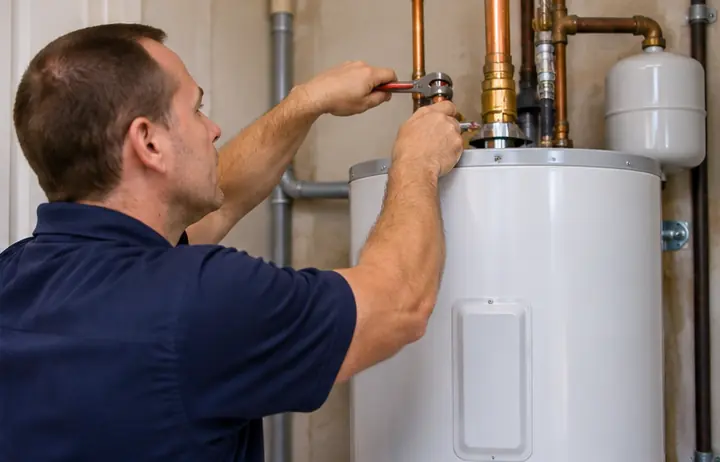
Installation for a new property, a renovated space, or a different equipment setup requires appropriate sizing, location planning, and checks of the available plumbing and utilities.
Learn About This Service →
Water Heater Repair Pros replaces water heaters across Georgia for homes and businesses. Our team handles aging or leaking tank and tankless systems with clear equipment recommendations.
Our technicians are licensed and insured. Actual service availability, scope and pricing are discussed with our team.
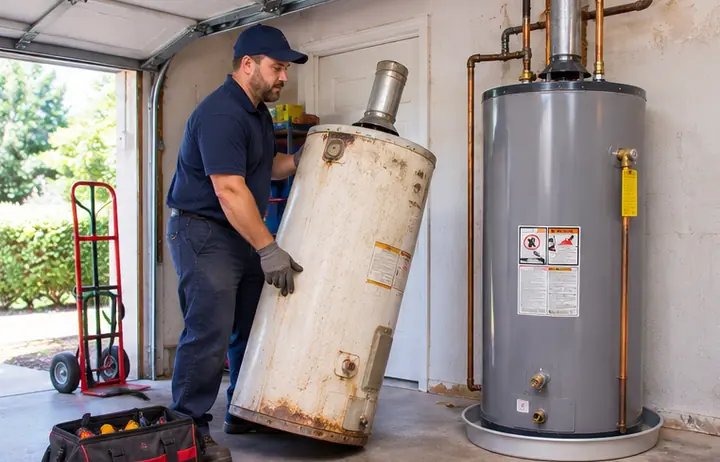
Replacing an existing water heater is more than disconnecting one tank and putting another in its place. Our team needs to consider why the current unit failed, whether its existing connections are suitable and how much hot water the property actually uses.
Some problems call for targeted repairs. Others point to a deteriorated storage tank, recurring expensive faults or a system that no longer fits daily demand. A replacement discussion should cover the heater's condition, possible equipment choices, removal of the old unit and any connection or safety work that may be required. For general troubleshooting before a replacement decision, see our Georgia water heater repair information.
To request water heater replacement in Georgia, have the equipment type and property location ready when you call. Our team can explain the next step for that particular job.
Not every loss of hot water means you need a new heater. These signs can make replacement worth discussing after a professional assessment.
Water collecting beneath a heater could come from a fitting, valve or connection rather than the tank itself. If the storage vessel has corroded through or its shell is leaking, replacing the unit is usually the practical option. The leak source needs to be confirmed before a decision is made.
Repeated failures, hard-to-find parts or a series of major component issues can make another repair less attractive. Compare the likely cost of further work with the condition of the complete unit rather than focusing on the most recent problem alone.
A unit that cannot keep up with several showers, laundry and kitchen use may be undersized, slow to recover or malfunctioning. The cause matters: some performance issues are repairable, while a change in household demand may justify different equipment.
Age, corrosion and operating condition should be considered together. An older system that works reliably may not require immediate replacement, but equipment nearing the end of its useful life can be worth evaluating before another expensive repair.
Leaking water heater? Avoid standing water near electrical equipment and let a qualified professional evaluate the source.
Call About ReplacementA failed thermostat, heating element or serviceable valve can sometimes be addressed without replacing the entire heater. The professional should check for underlying problems and confirm whether the tank and related connections are in sound condition.
Water at a pipe connection is not the same as a leak from the storage tank. Identifying the actual source helps avoid replacing equipment when a smaller repair may be suitable.
The decision depends on an assessment of the particular unit, not a blanket age rule. For questions about repairable faults, start with water heater repair in Georgia.
Fuel, equipment design, available space and hot-water demand influence which replacement is suitable. Changing to a different system may involve work beyond a straightforward like-for-like changeout.
Gas-fired storage units require the installer to assess the fuel supply, burner type, combustion air and venting. A new model may have connection or clearance requirements that differ from the old one.
Electric storage heaters need appropriately rated electrical supply and connections. Existing circuit and equipment compatibility should be checked before selecting a replacement model.
Storage tanks keep a ready volume of hot water and recover heat between draws. Their tank size and first-hour rating should be considered together with the property's peak use.
Tankless systems heat water on demand, but conversion can require changes to gas piping, electrical capacity, venting or water connections. See our tankless installation guide.
Replacing a 40-gallon or 50-gallon water heater with the same nominal size is not automatically the right choice. The number of people in the property, simultaneous showers, laundry, kitchen fixtures and the existing unit's recovery rate all affect the hot water needed during the busiest hour.
For storage heaters, the first-hour rating (FHR) helps estimate how much hot water a fully heated unit can supply during an hour of substantial demand. A model with a larger tank is not always the best fit, and larger equipment can affect installation space and operating costs.
Commercial properties and mixed-use settings may have different peak-demand patterns. Our team should evaluate the actual property and available equipment.
For tankless systems, the installer considers flow rate and temperature rise rather than tank capacity alone.
Every installation is different, but an appropriate replacement discussion usually involves the following stages. Our team confirms which work is included for the specific property.
Identify the failure, inspect accessible conditions and decide whether replacement is appropriate.
Review fuel type, capacity, available space and any changes needed for the new model.
Discuss isolation, draining and removal of the old heater, including disposal arrangements.
Complete plumbing and applicable fuel, electrical, venting and safety connections.
Verify relevant installation conditions, test operation and discuss the finished work with the customer.
Ask whether old-unit removal and disposal are part of the proposed scope. If additional work is discovered, our team can explain its implications before proceeding.
The cost of a water heater changeout depends on the equipment and work actually needed. A statewide flat price would be misleading without details about the current installation and the proposed replacement.
Storage tank, tankless, gas and electric models differ in their equipment requirements. Capacity and efficiency choices also affect the scope.
Old piping, shutoff valves, electrical or gas connections, venting and related components may need evaluation or modification.
Tight utility closets, elevated locations and restricted access can make moving equipment and completing connections more involved.
Draining, disconnecting, moving and disposing of an older unit should be clarified as part of the proposed work.
Changing from gas to electric, installing tankless equipment or moving the heater can require additional planning and infrastructure.
Applicable permit procedures, inspection arrangements and installation complexity can affect the job. Our team explains the actual scope and charges.
Before authorizing a replacement, ask what the assessment covers, which unit is proposed, whether removal is included and how any additional charges will be communicated. Water Heater Repair Pros does not publish unverified statewide replacement prices.
Georgia has statewide construction codes covering plumbing, residential construction, fuel gas and electrical work. The state's 2026 adopted code framework includes the 2024 International Plumbing Code with Georgia Amendments and the applicable Georgia fuel-gas and electrical code provisions.
Requirements vary with equipment type and the specific installation. The plumber should review appropriate piping, temperature-and-pressure relief provisions, discharge arrangements, venting where relevant, and necessary supply connections. Never cap, block or modify a temperature-and-pressure relief discharge to conceal a problem.
Permit administration and inspections are handled by the relevant jurisdiction. Do not assume the rules or fees are identical across Atlanta, Savannah, Augusta or smaller Georgia communities. Ask our team which requirements apply at your address.
Official code reference: Georgia Department of Community Affairs. For federal sizing guidance, see U.S. Department of Energy guidance.
Our team works directly with Georgia homeowners and businesses on water heater service, discussing equipment issues, scope, pricing and scheduling clearly.
To make the first conversation useful, have the existing water heater's model information, fuel type, location and main symptoms ready. Tell our team whether the unit is actively leaking and whether you are considering a conventional tank replacement or a change in system type.
Ready to discuss replacement? Describe your heater and Georgia ZIP code so our team can confirm availability and next steps.
Call (833) 423-3192Water Heater Repair Pros provides water heater replacement services for homes and businesses in communities across Georgia. Whether an existing tank is leaking, no longer heating reliably or nearing the end of its useful life, our team can discuss replacement options and confirm service availability for your street address.
Do not see your city? Browse the Georgia Service Areas directory or call with your street address to discuss local service availability.
Major tank corrosion, leakage through the storage vessel and recurring expensive failures can make replacement appropriate. Some heating and control faults are repairable, so the condition of the whole unit should be assessed before deciding.
A leak from a valve or connection may be repairable, but a leak through the tank shell generally points toward replacement. A qualified professional should confirm where the water is coming from.
The equipment type and capacity, access, existing connections, removal work, potential utility changes and applicable local requirements can affect the final scope. Ask our team what the proposed price includes.
It depends on available electrical capacity, the existing gas setup, operating preferences, installation space and overall costs. A change in fuel type can require more work than replacing a similar unit.
For a storage heater, consider peak hot-water demand and first-hour rating, not just the old tank's gallon figure. The number of occupants, fixtures and simultaneous uses also matter. A qualified installer should confirm the final selection.
Often a conversion is possible, but tankless equipment must match the required flow and temperature rise. The existing fuel, electrical, venting and water connections may need changes. Review our tankless water heater installation guide.
See how the related services differ, or return to the Georgia water heater repair homepage for help identifying your hot-water problem.
02Installation for a new property, a renovated space, or a different equipment setup requires appropriate sizing, location planning, and checks of the available plumbing and utilities.
Learn About This Service →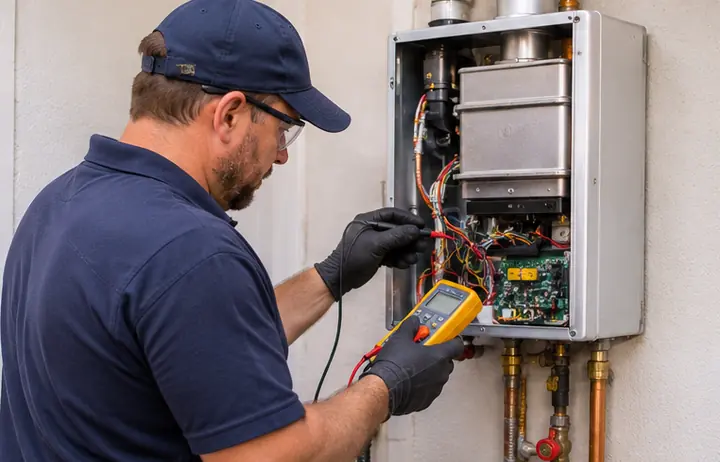 03
On-demand water heater problems may involve flow sensors, mineral buildup, error codes, ignition, controls, or other model-specific faults that need careful diagnosis.
Learn About This Service →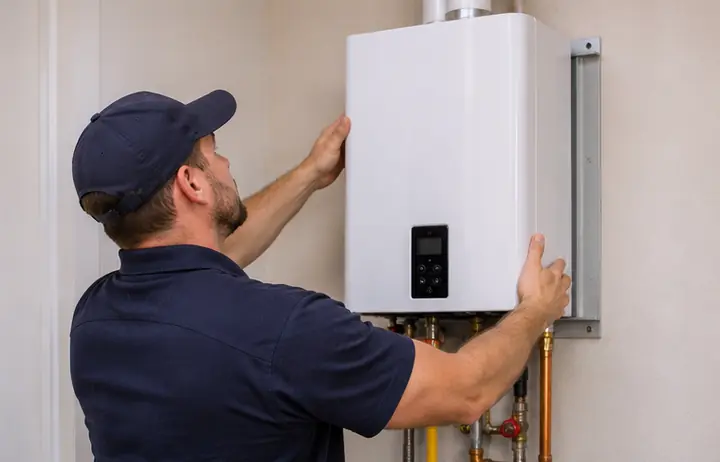 04
Tankless equipment selection depends on the hot-water flow needed at the property, required temperature rise, and whether existing gas, electrical, and venting systems are suitable.
Learn About This Service →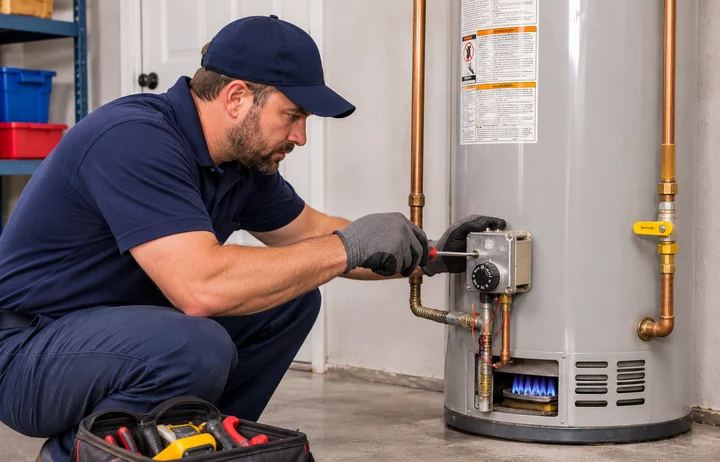 05
For gas-fired equipment, a professional can evaluate symptoms involving poor heating, ignition controls, burners, and safe venting before recommending appropriate work.
Learn About This Service →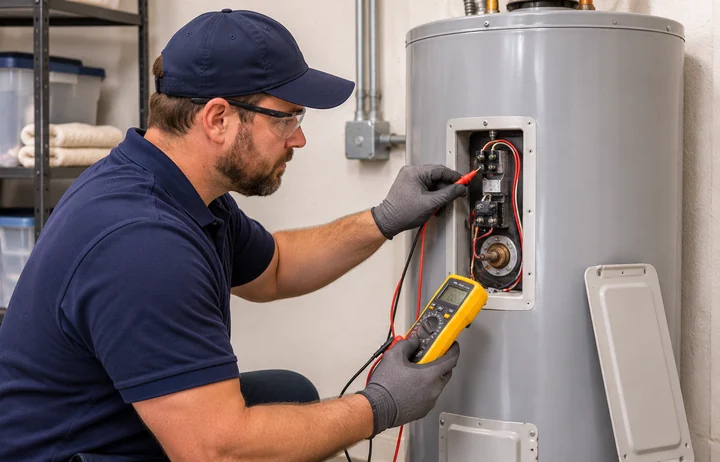 06
Electric water heater service may involve heating elements, thermostats, power-supply conditions, or temperature-control problems. Electrical testing and repairs belong with qualified professionals.
Learn About This Service →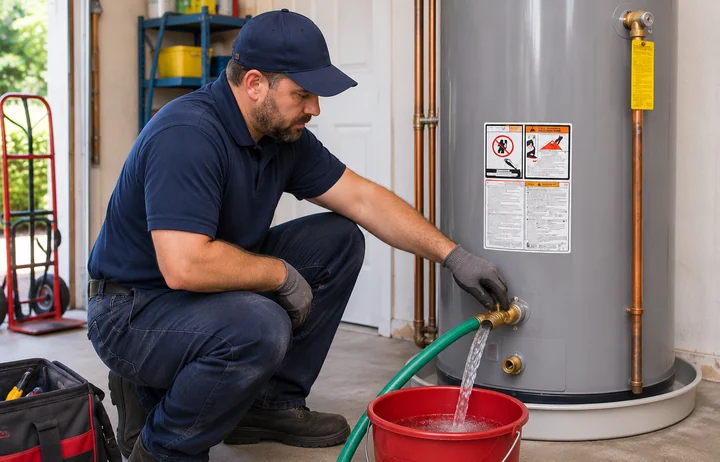 07
Routine care can include checking connections and tank condition, reviewing sediment concerns, and performing flushing or tankless descaling when appropriate for the equipment.
Learn About This Service →Call to discuss your existing water heater, replacement options and service availability with our team.