 01
Water Heater Replacement
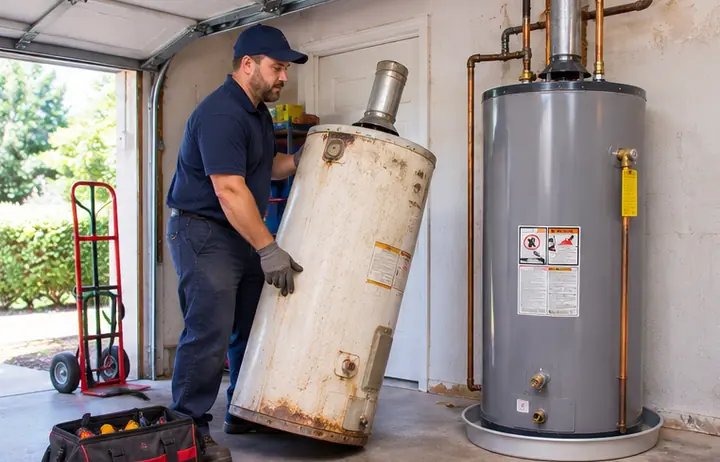
When an aging, severely corroded, or leaking heater is no longer a sensible repair candidate, replacement planning should consider tank capacity, fuel type, connections, and hot-water demand.
Learn About This Service →
Water Heater Repair Pros is a Georgia water heater service team specializing in tankless water heater repair. We diagnose error codes, poor heating and flow issues for homes and businesses with equipment-specific service.
Our technicians are licensed and insured. Diagnosis, service availability, repair scope and pricing are confirmed by our team.
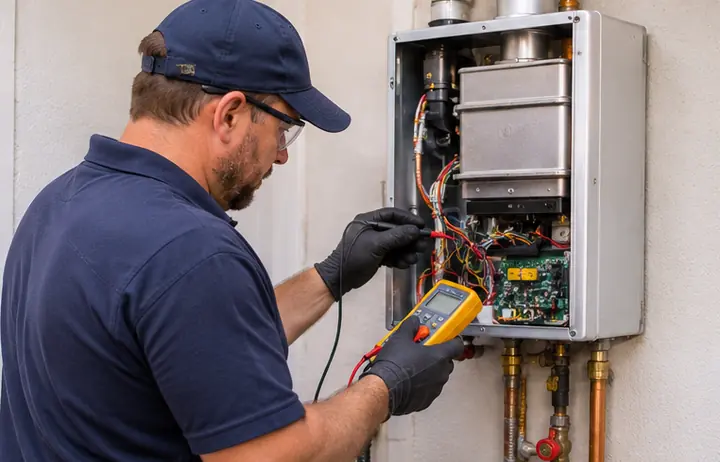
A tankless heater should deliver hot water when sufficient water flows through it, but a fault can interrupt that process. The symptoms help narrow the questions to ask; they do not establish a repair without testing the equipment.
Tankless water heater repair in Georgia may involve a unit that shuts off during showers, shows a recurring fault code, struggles with flow or cannot ignite. Gas and electric models have different components, and different brands use their own diagnostic messages. The unit's model, fuel type and operating conditions matter when evaluating the problem.
Water Heater Repair Pros provides water heater repair and related services throughout Georgia. Our team diagnoses equipment problems, explains repair and replacement options, and helps customers arrange service.tankless water heater installation.
Describe the pattern of the failure, not just that the heater is broken. The same visible symptom can result from more than one fault.
A system may fail to activate because it is not detecting enough water flow, has lost power or fuel, or has entered a protective shutdown. Other plumbing or fixture issues can also affect hot water delivery.
Hot water that becomes cold during a shower may reflect changing flow, multiple fixtures competing for capacity, control trouble or a protection shutdown. Note whether the heater displays a fault when the temperature changes.
Error numbers and letters are specific to the manufacturer and model. They can suggest a system to inspect, but they are not proof that one particular component needs replacement.
A blocked inlet filter, restricted fixture, crossover problem or inadequate flow for unit activation can affect heating. Demand that exceeds the heater's capacity can also reduce delivered temperature.
Gas-fired tankless units rely on appropriate gas supply, ignition, combustion air and safe venting. Repeated ignition failures require qualified assessment; do not repeatedly force a restart after a suspected fuel or venting fault.
Mineral scale can restrict heat transfer and affect water flow or temperature stability. Sounds alone cannot confirm scale, but known hard-water conditions and a maintenance history can help guide diagnosis.
Need help describing the symptoms? Have the displayed code, model number and the circumstances of the problem ready when you call.
Call About Tankless RepairA tankless heater coordinates water flow, temperature sensing and a heating system. Trouble in any of these areas can interrupt the sequence. A professional should distinguish an appliance defect from a supply or plumbing problem before recommending parts.
The flow sensor helps determine when the unit should heat. A clogged inlet screen or flow-sensing problem may prevent ignition or allow intermittent operation.
Scale accumulating in waterways and a heat exchanger can restrict performance. A leaking or damaged heat exchanger is a different, potentially more serious condition than ordinary maintenance buildup.
Gas equipment can involve igniters, flame-detection parts, a combustion fan, gas controls and exhaust/intake pathways. Electric systems use different heating and control components.
Thermistors, wiring connections and electronic controls help regulate heating. A faulty reading or internal error may cause temperature problems or a protective shutoff.
Equipment age, maintenance history, water quality and correct system sizing can influence what needs checking, but none should be treated as a diagnosis without inspecting the specific unit.
A code can point toward ignition, airflow, water flow, temperature sensing, a condensate system or another monitored condition. Its meaning varies across brands and even between model lines. A single code may have several possible causes, so replacing a part based solely on an online list can waste time and money.
Check the manufacturer's operating manual for the specific unit. For example, Rinnai's guidance advises customers to use product-specific information and contact an installer for troubleshooting. If the display shows a code, make a note of it rather than repeatedly resetting the heater.
Safety: For suspected gas leaks or carbon monoxide emergencies, leave the area and contact the gas utility or emergency services from a safe location.
Diagnosis should move from the customer-reported symptom to the actual operating condition. A qualified service professional can identify which checks are appropriate for the brand, model and local installation.
Review the model, fuel source, fault display, service history and conditions under which the problem occurs.
Evaluate incoming water and fixture flow, inlet filtration and whether the system is activating as expected.
Assess applicable electrical supply, sensors, controls and, on gas systems, the ignition and combustion sequence.
Review relevant venting, air intake, condensate, mineral scale, leaks and manufacturer safety requirements.
Discuss any recommended service, potential parts and how our team will communicate the proposed price and scope.
Where repair proceeds, the professional can verify the system's operation and explain relevant ongoing maintenance.
Do not open gas-control or energized electrical sections or bypass protective switches as a homeowner diagnostic step. Correct troubleshooting follows the manufacturer's procedures and the appropriate trade qualifications.
Different findings call for different solutions. The following are repair categories our team may evaluate; they are not a promise that any one component can or should be replaced without inspection.
Testing may identify faulty water-flow or temperature sensors, damaged wiring or a control issue. Repair depends on the unit design, diagnosis and availability of compatible parts.
Gas models may need assessment of ignition, flame detection, combustion airflow or gas controls. Electric models have different heating elements and power-control arrangements.
A restricted inlet filter or other blockage may require service. A low-flow complaint can also originate at a fixture or elsewhere in the building plumbing, not only inside the heater.
Manufacturer-approved descaling may help address mineral deposits when the unit is suitable for service. A cracked, leaking or otherwise failed heat exchanger calls for a different repair-or-replace discussion.
Related preventive work is covered on our water heater maintenance and flushing page.
A serviceable sensor, filter, ignition component or control problem may be a reasonable repair when the heater is otherwise in sound condition. Consider the model's age, past reliability, replacement-part availability and the scope identified during diagnosis.
Minor maintenance and full component repairs are not the same thing. Descaling cannot correct a broken control board, and a new sensor will not fix a physically damaged heat exchanger.
Significant heat exchanger damage, recurring costly failures, unsupported parts or a unit that no longer suits the property's actual hot-water demand can make replacement worth evaluating. A professional should clarify whether the problem is equipment failure or a system-sizing/installation limitation.
For a new on-demand heater or a change to another system, review tankless installation and water heater replacement. The decision should be based on your unit, not a fixed age cutoff.
A reliable repair price depends on the model, confirmed fault, parts and required service. A phone call can help identify the service category, but it cannot establish a final charge without understanding the equipment's condition.
Intermittent shutoffs or multiple related faults may take longer to isolate than an easily observed problem.
Compatible sensors, controls, pumps, igniters and other manufacturer-specific parts can vary in availability and cost.
Combustion equipment, electrical requirements, venting and protective controls affect the specialist work involved.
Restriction and descaling work differ from replacing a failed component, and not every unit is suitable for routine flushing.
Outdoor mounting, tight utility spaces or inaccessible connections can make inspection and repair more involved.
Replacing a specific part is a different job from removing and fitting an entire tankless water heater.
Before approving a repair, ask our team what diagnosis includes, what parts or work are proposed, and how any additional charges will be discussed. Water Heater Repair Pros does not publish unverified statewide flat repair rates.
Routine attention can reduce some preventable flow and scale problems, but it cannot eliminate mechanical or electronic failures. Follow the correct model manual and ask a qualified service professional about the right interval for your water conditions and equipment.
An inlet screen can collect debris that restricts flow. The manufacturer's instructions determine how and when it should be inspected or cleaned.
Mineral deposits can build up inside the water passages. Approved flushing or descaling procedures depend on the model, water conditions and installation.
Gas systems may have air intake, exhaust and condensate components that need inspection. Never obstruct vents or ignore an exhaust-related warning.
Keep the model number, warning codes and past service details. Patterns can help a professional distinguish a recurring fault from a separate new problem.
Manufacturer guidance from Rinnai explains that water quality affects maintenance needs and that tankless systems may need periodic filter care and flushing. Our maintenance and flushing service page covers the broader service scope.
Water Heater Repair Pros provides tankless water heater repair for Georgia homes and businesses experiencing error codes, inconsistent temperatures or interruptions in hot-water flow. Our plumbing team is licensed and insured; we review the unit model, reported symptoms and street address to discuss diagnostic steps and confirm local service availability.
To start, call (833) 423-3192 and explain the model, displayed code, hot-water symptoms and your Georgia ZIP code. Our team can confirm service details and next steps.
Do not see your city? Browse the complete Georgia Service Areas directory or call with your street address to discuss local service availability.
Tankless heater malfunctioning? Have the model number and error information ready so our team can discuss the right next step.
Call About Tankless RepairRepeated shutdowns can involve insufficient water flow, an ignition or electrical problem, a sensor fault or a protection condition. Note when it shuts off, whether other fixtures are running and any displayed code. A qualified professional should determine the cause before parts are replaced.
The unit uses diagnostic messages to report operating or safety conditions. Code definitions differ by brand and model, so record the exact code and check the model-specific manual. A code guides further testing; it does not identify a failed part with certainty.
The heater may be struggling with changing flow, competing fixtures, a sensor or ignition issue, or capacity limits. A mixing valve or another plumbing problem may also affect shower temperature. Tell our team whether it happens at one fixture or throughout the property.
Yes. Mineral scale can restrict waterways, interfere with heat transfer and contribute to performance problems. Water quality and maintenance history matter. Whether descaling is appropriate depends on the equipment and its actual condition.
Many sensor, flow, ignition or control faults may be repairable, depending on the model and parts availability. Major heat-exchanger failure, repeated expensive faults or equipment limitations may make replacement worth considering after a professional assessment.
Yes. Gas systems have combustion and venting components, while electric models rely on electric heating and control circuitry. Both have water-flow and temperature-control concerns, but safe testing and the work involved differ by fuel type and model.
Compare related water-heater services or return to the Georgia water heater repair homepage for information about an existing hot-water problem.
01When an aging, severely corroded, or leaking heater is no longer a sensible repair candidate, replacement planning should consider tank capacity, fuel type, connections, and hot-water demand.
Learn About This Service →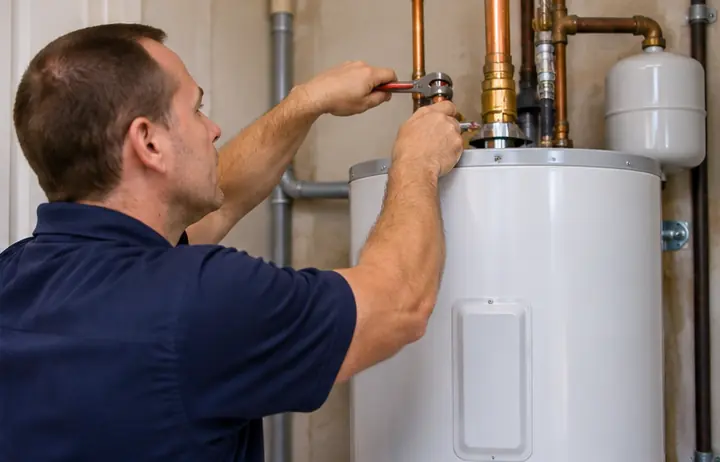 02
Installation for a new property, a renovated space, or a different equipment setup requires appropriate sizing, location planning, and checks of the available plumbing and utilities.
Learn About This Service →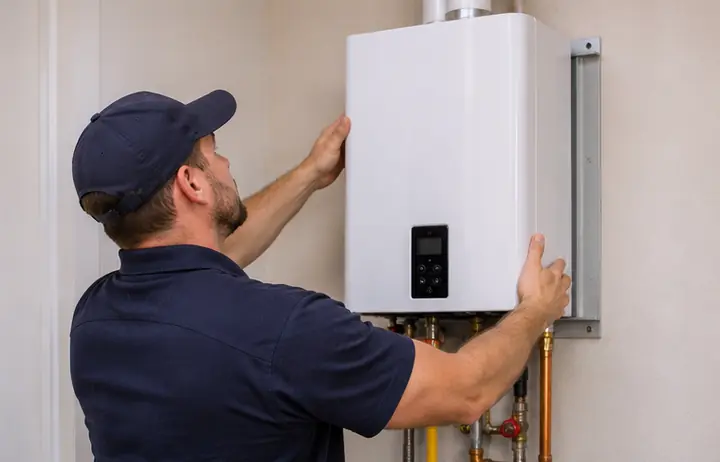 04
Tankless equipment selection depends on the hot-water flow needed at the property, required temperature rise, and whether existing gas, electrical, and venting systems are suitable.
Learn About This Service →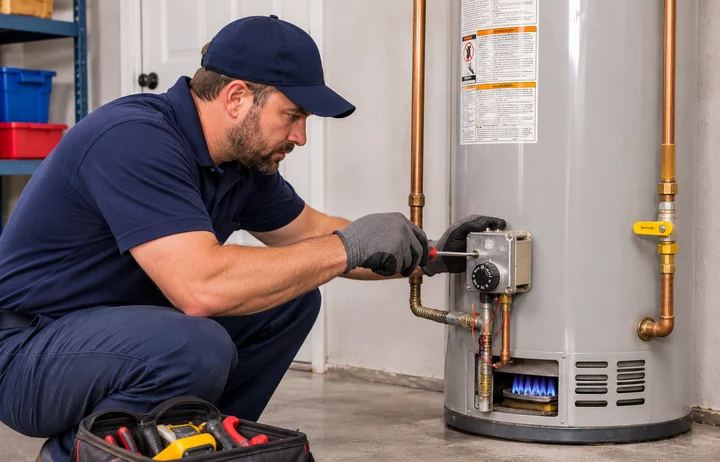 05
For gas-fired equipment, a professional can evaluate symptoms involving poor heating, ignition controls, burners, and safe venting before recommending appropriate work.
Learn About This Service →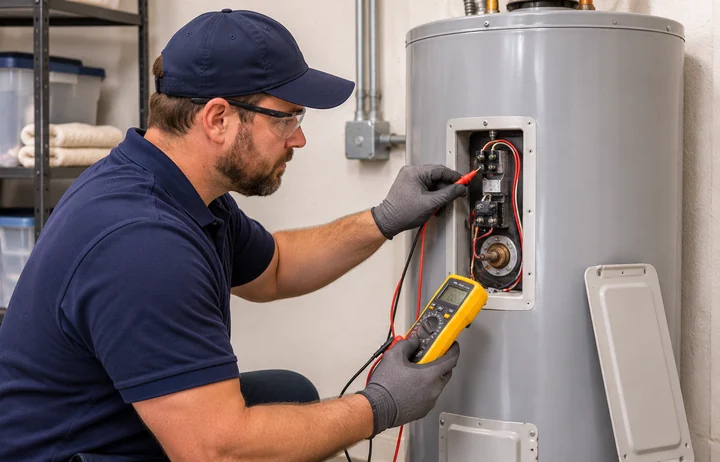 06
Electric water heater service may involve heating elements, thermostats, power-supply conditions, or temperature-control problems. Electrical testing and repairs belong with qualified professionals.
Learn About This Service →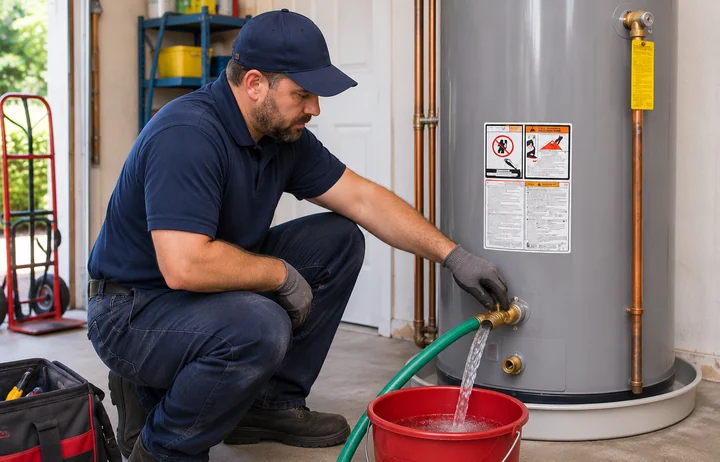 07
Routine care can include checking connections and tank condition, reviewing sediment concerns, and performing flushing or tankless descaling when appropriate for the equipment.
Learn About This Service →Call to discuss tankless water heater faults, the equipment model and service availability with our team.