 01
Water Heater Replacement
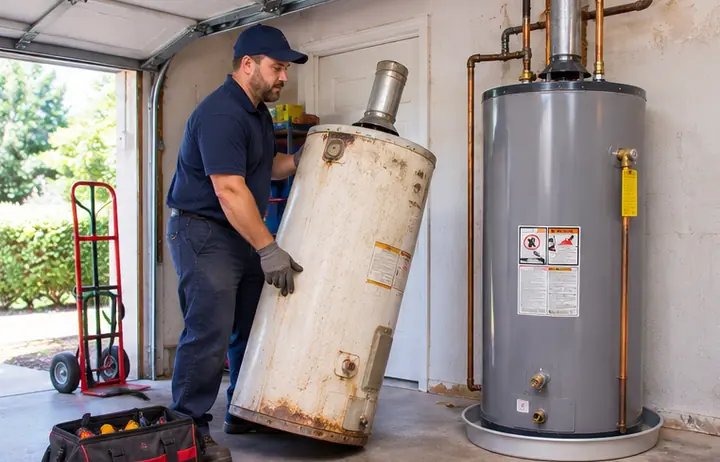
When an aging, severely corroded, or leaking heater is no longer a sensible repair candidate, replacement planning should consider tank capacity, fuel type, connections, and hot-water demand.
Learn About This Service →
Water Heater Repair Pros installs water heaters for Georgia homes and businesses. Our team handles gas, electric, tank and tankless systems with clear sizing and installation guidance.
Our technicians are licensed and insured. Equipment choice, installation scope, pricing and scheduling are confirmed by our team.
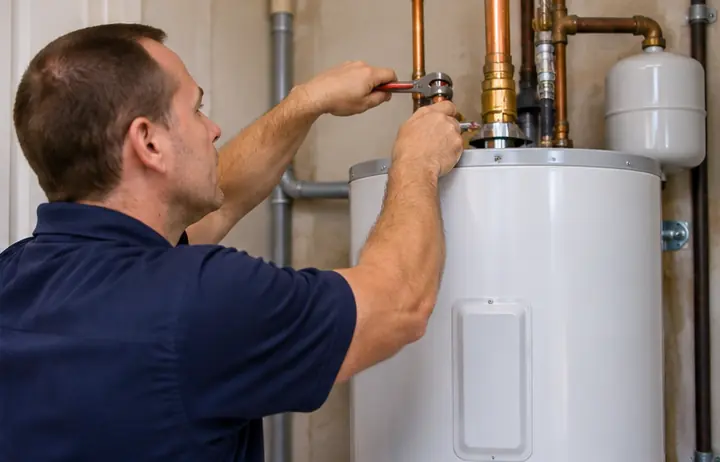
A successful installation begins before a new heater is connected. The installer needs to understand the property's hot-water demand, available energy supply, safe equipment location and how the new system will work with the existing plumbing.
Water heater installation in Georgia can mean fitting a heater in a new home, adding a dedicated unit for an expansion, upgrading to a different system type or setting up hot water for a business. These projects are different from replacing a failed tank with an equivalent unit. The scope may involve new supply connections, equipment clearances or infrastructure changes that are not part of an ordinary changeout.
Water Heater Repair Pros is a connection service, not a single statewide plumbing crew. Our team can discuss the requirements at your particular address, explain options and confirm which installation services are available. If you already have an aging or leaking heater and want a like-for-like changeout, our water heater replacement page focuses on that situation.
Not every installation starts because a heater stopped working. New construction, remodeling and changing household needs can all create a reason to plan a suitable hot-water system.
A newly built home or commercial space needs the correct heater location, supply piping, energy connections and drainage provisions established as part of the overall plumbing plan. The equipment must suit the fixtures and expected hot-water use.
An added bathroom, expanded kitchen or business use may increase peak demand beyond the existing system's capacity. Before adding a heater, the installer should review simultaneous fixture use and the available plumbing and utility infrastructure.
Moving from storage to tankless or changing from gas to electric involves more than choosing a new appliance. Available fuel, electrical service, venting, water flow and operating expectations all affect whether a particular option is practical.
A heater being placed in a utility closet, garage or another approved space may need new water lines, proper access, drainage and safe utility connections. Location decisions can affect both installation complexity and later maintenance access.
Planning a new installation? Tell our team whether the property has existing hot-water equipment, is being renovated or needs an entirely new setup.
Call About InstallationDifferent systems use different energy sources and deliver hot water in different ways. The right choice depends on the property and must be confirmed with a qualified installer.
Natural-gas and applicable propane heaters may offer storage or on-demand heating. Gas supply capacity, combustion air, venting and the manufacturer's installation instructions are central to the setup. For existing gas equipment that is malfunctioning, see gas water heater repair.
Electric systems can include conventional resistance-heating tanks and other configurations supported by our team. Available circuit capacity, dedicated wiring and the heater's electrical requirements need evaluation. Existing component faults are covered on our electric repair page.
Storage-tank water heaters maintain a ready supply of heated water. Tank capacity, first-hour rating, recovery and the amount of hot water used during busy periods matter more than selecting a tank by gallon size alone.
On-demand heaters warm water as it flows through the unit. Proper selection depends on required gallons per minute and temperature rise, along with the available fuel or electrical supply. Read our tankless installation guide for conversion-specific considerations.
Heat-pump water heaters can be another option in suitable properties, but availability and installation requirements should be discussed with our team rather than assumed for every Georgia location.
For a storage heater, consider the busiest hour of hot-water demand and compare it with the model's first-hour rating. A family with overlapping showers and laundry needs may use water differently from a smaller household, short-term rental or business. The existing tank size alone is not enough to determine a new installation's capacity.
For tankless equipment, the key measures include required flow rate and how far the incoming water temperature must be raised. Multiple fixtures operating at once can exceed a smaller unit's practical output.
Fuel access, space, energy use, equipment cost and maintenance expectations also shape the choice. An installer should check the property rather than recommending the same heater for every caller.
U.S. Department of Energy material explains the importance of first-hour capacity and matching systems to actual demand.
The specific equipment determines which connections and conditions need to be checked. Installation planning should consider the manufacturer's instructions and all applicable plumbing, fuel-gas and electrical rules.
Cold-water supply, hot-water distribution, suitable shutoff arrangements and compatible pipe connections must be evaluated. Depending on the system and site conditions, the installer may also need to assess pressure, thermal expansion provisions and the required temperature-and-pressure relief arrangements.
A gas model needs a suitable fuel supply and approved connection arrangements. Electric heaters need the appropriate supply, overcurrent protection and wiring for the equipment. Switching energy sources may require additional licensed trade work and should never be treated as a simple plug-in change.
Fuel-burning heaters require correct venting and combustion-air arrangements for their design. Vent type, clearances and discharge conditions vary by manufacturer and system. Electric resistance tanks generally do not use combustion venting, so these requirements should not be copied indiscriminately to every installation.
Placement affects future access, safe maintenance, potential water-damage protection and required drainage arrangements. Elevated or confined locations can add practical challenges. The installer also needs to consider clearances, equipment support and the applicable installation instructions.
For properties with unusual layouts or commercial demand, ask our team which additional site checks are needed before selecting equipment.
The precise steps depend on whether the work is a new setup, a conversion or an additional heater. A sensible installation process normally includes these stages, with our team confirming the actual scope.
Discuss hot-water demand, available space, existing lines and the desired equipment type.
Compare fuel, capacity, recovery or flow requirements and installation compatibility.
Confirm equipment location, connections, drainage and applicable permit or inspection steps.
Complete the plumbing and relevant gas, electrical, venting and safety arrangements.
Evaluate the installed system, discuss controls and review any maintenance instructions.
Before work begins, ask what is included, which trades may be involved and how changes to the proposed scope will be communicated. For replacing an existing failed storage tank, see Water Heater Replacement.
Installation cost depends on equipment choice and the actual conditions of the job. No single statewide figure reliably describes a new-build installation, a conversion or a straightforward existing-location setup.
Gas, electric, tank and tankless models vary in equipment cost and installation requirements. Larger capacity or a more complex system may change the overall scope.
Work is different when water, gas and electrical connections already exist in suitable locations compared with running new supplies or altering the infrastructure.
Changing fuel or installing tankless equipment may require electrical, gas, venting or plumbing modifications beyond a conventional installation.
Confined closets, elevated platforms, longer piping runs and hard-to-access equipment areas can increase installation complexity.
Required relief-discharge provisions, protection measures, venting or drainage modifications affect what must be installed.
Permit or inspection administration and the required mix of licensed trades may vary. Our team should explain the specific work and charges.
Before authorizing installation, ask our team to clarify the equipment model, what the proposed price covers and how additional work would be discussed. Water Heater Repair Pros does not publish unverified Georgia-wide installation prices.
Georgia's current statewide construction-code framework includes the 2024 International Plumbing Code with Georgia Amendments, the 2024 International Fuel Gas Code with Georgia Amendments and Georgia's applicable electrical code. The correct requirements depend on equipment type and site conditions. The Georgia Department of Community Affairs maintains the official current-code list.
Water heater installation may involve pressure and temperature relief provisions, discharge routing, suitable piping, appliance clearances, electrical protection, safe fuel connections and venting for combustion appliances. The manufacturer's instructions and applicable code requirements should guide the work. A leaking tank or suspected gas problem should be evaluated safely, not concealed by an improvised connection.
Permit and inspection processes are administered by the relevant jurisdiction. Do not assume that Atlanta, Savannah, Augusta and smaller Georgia communities follow identical administrative steps or charge identical fees. Ask our team what applies at your address.
References: Georgia Department of Community Affairs: Current Construction Codes; U.S. Department of Energy: Water-Heater Selection Guidance.
A brief discussion before installation can help our team identify possible constraints. If the job is part of a renovation or new build, describe the work underway and whether the hot-water system has already been planned. If the unit will be moved or the fuel type changed, mention that early.
Ask about recommended equipment capacity, whether the existing utilities are suitable, and what additional trades or site preparation may be necessary. If there is an old unit to disconnect, confirm whether its removal is included or belongs in a separate replacement scope.
Keep the work area reasonably accessible and follow our team's preparation instructions. Do not attempt gas or electrical modifications without a qualified professional.
Water Heater Repair Pros provides water heater installation services for Georgia homes and businesses, from first-time systems to replacing older equipment. Our plumbing team is licensed and insured and can discuss residential and commercial needs; equipment selection, installation requirements and scheduling depend on the property, fuel source and local service availability.
To start, call (833) 423-3192 and share the ZIP code, whether this is a brand-new setup or system change, and any details about fuel supply and space. Our team can discuss available installation options and what happens next.
Do not see your city? Browse the complete Georgia Service Areas directory or call with your street address to discuss local service availability.
Planning water heater installation? Describe your property and equipment needs so our team can confirm whether the requested work is available.
Call (833) 423-3192Installation can include a heater in a new building, an added hot-water system or moving equipment to a new location. Replacement specifically involves taking out an existing unit and fitting another. Some projects involve both types of work, but the site requirements can differ.
Start with the property's hot-water demand, available gas or electrical service and installation space. For storage heaters, compare first-hour rating with expected peak use; for tankless systems, compare flow rate and temperature rise. A qualified installer should confirm the final selection.
It may be possible, but the property's electrical capacity, wiring and equipment location need to be assessed. A conversion can involve additional work beyond simply swapping appliances. Our team can explain what is feasible at the address.
Sometimes, provided there is a suitable place for safe equipment access, plumbing connections, utility supply and required drainage or venting. New piping or electrical and gas work may be needed, so an assessment is important.
Equipment type and capacity, whether utilities are already in place, any fuel or system conversion, access, drainage, required safety work and local procedures can affect the price. Ask our team what the proposed scope includes.
Permit and inspection requirements depend on the installation and the jurisdiction administering the work. Georgia has statewide construction codes, but local administrative procedures can differ. Ask our installation team to confirm what is required at your address.
Compare related water-heater services or return to the Georgia water heater repair homepage for information about an existing hot-water problem.
01When an aging, severely corroded, or leaking heater is no longer a sensible repair candidate, replacement planning should consider tank capacity, fuel type, connections, and hot-water demand.
Learn About This Service →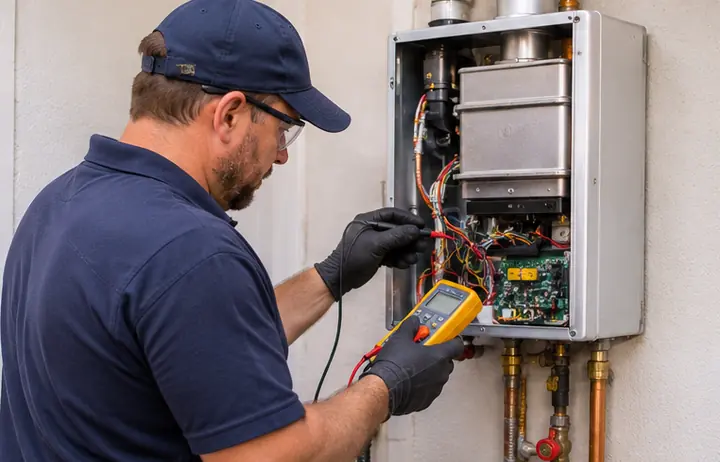 03
On-demand water heater problems may involve flow sensors, mineral buildup, error codes, ignition, controls, or other model-specific faults that need careful diagnosis.
Learn About This Service →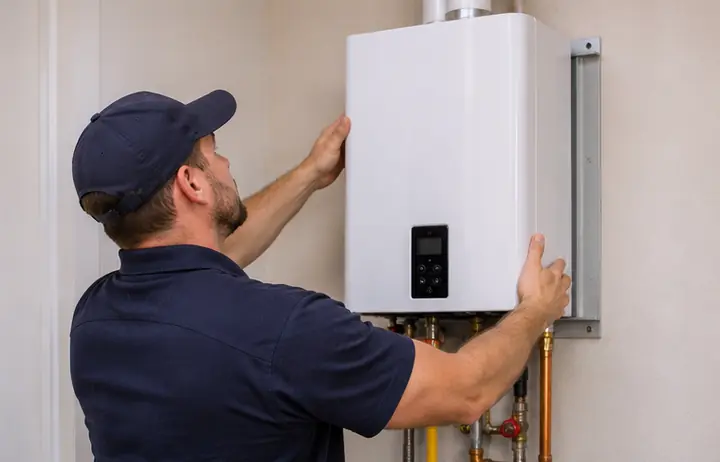 04
Tankless equipment selection depends on the hot-water flow needed at the property, required temperature rise, and whether existing gas, electrical, and venting systems are suitable.
Learn About This Service →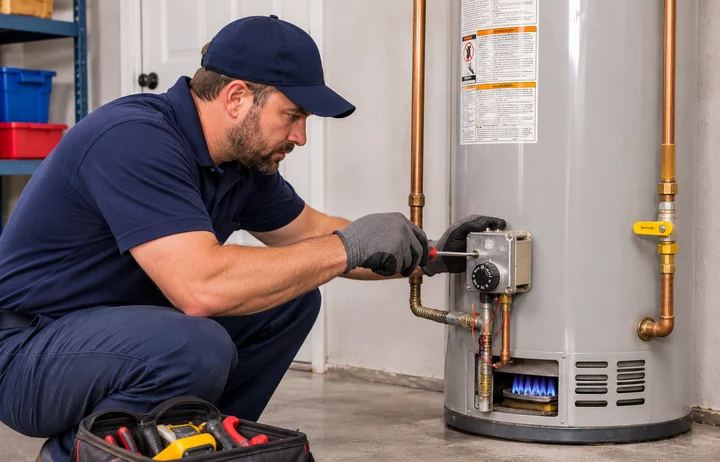 05
For gas-fired equipment, a professional can evaluate symptoms involving poor heating, ignition controls, burners, and safe venting before recommending appropriate work.
Learn About This Service →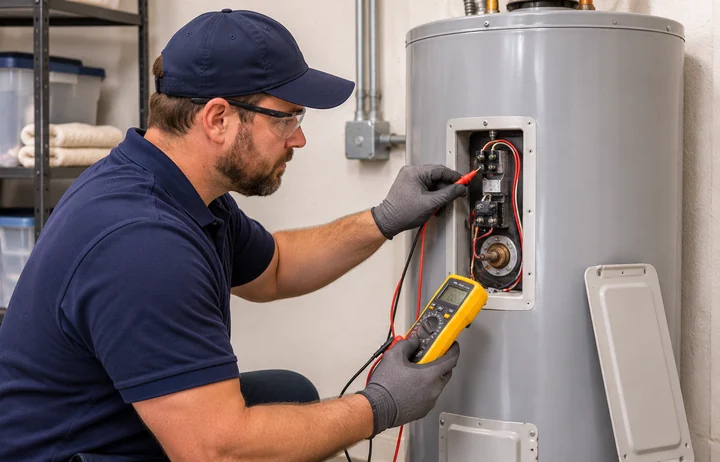 06
Electric water heater service may involve heating elements, thermostats, power-supply conditions, or temperature-control problems. Electrical testing and repairs belong with qualified professionals.
Learn About This Service →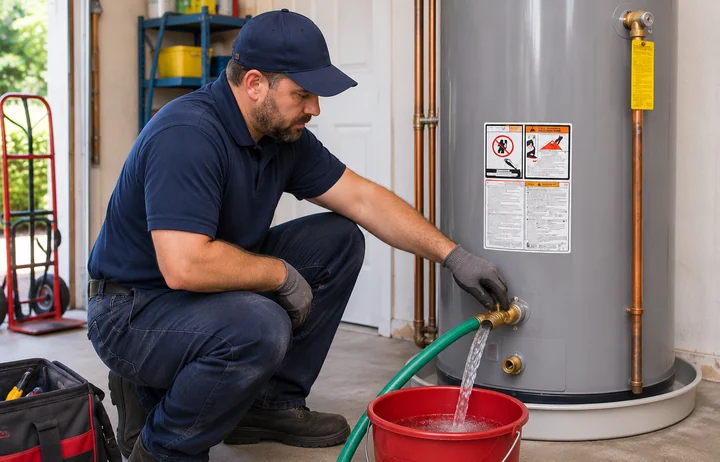 07
Routine care can include checking connections and tank condition, reviewing sediment concerns, and performing flushing or tankless descaling when appropriate for the equipment.
Learn About This Service →Call to discuss your property, water heater installation options and service availability with our team.