Cold inlet water and consecutive household showers can make a marginal water heater feel slower in Resaca without proving that a component has failed. Water Heater Repair Pros assesses the unit and recommends service based on its condition. Getting the cause right helps avoid unnecessary equipment replacement.
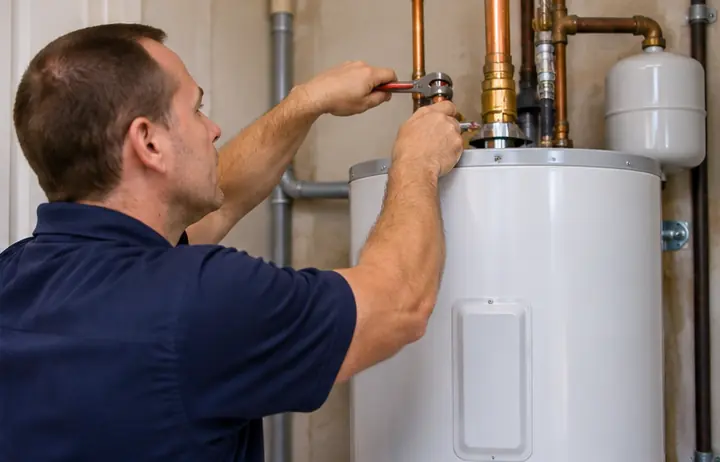
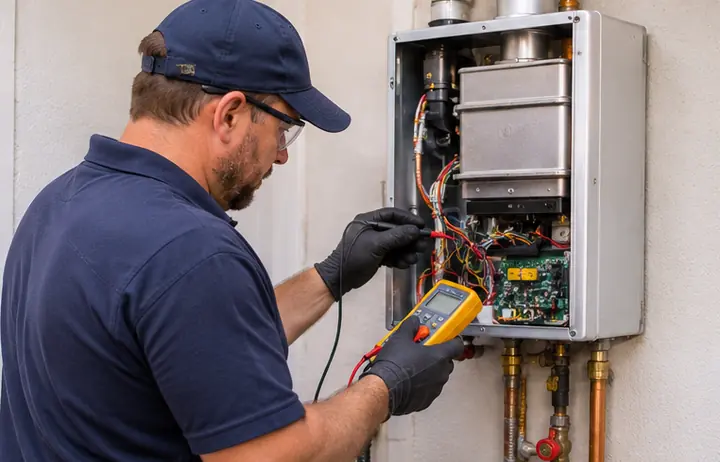
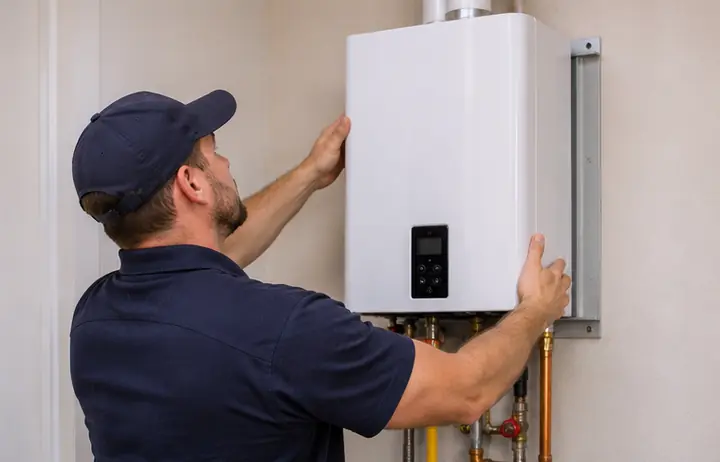
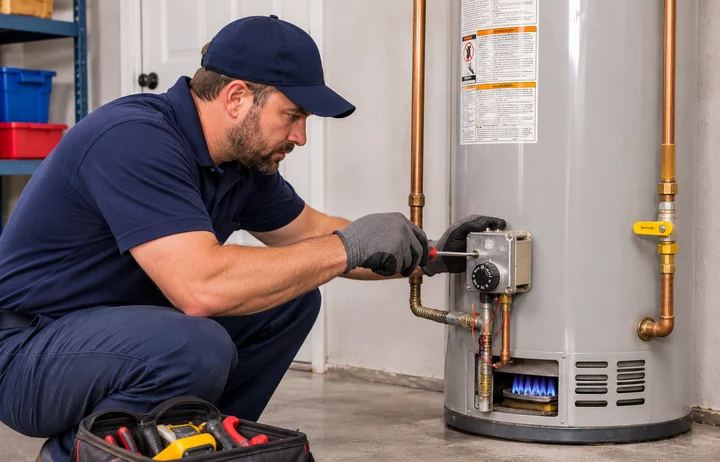
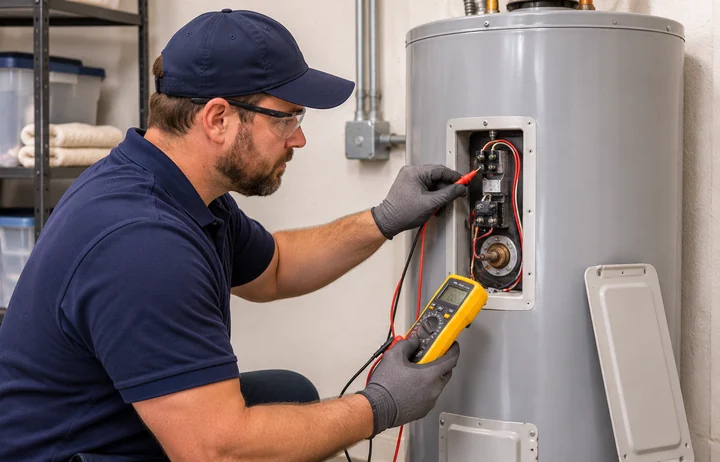
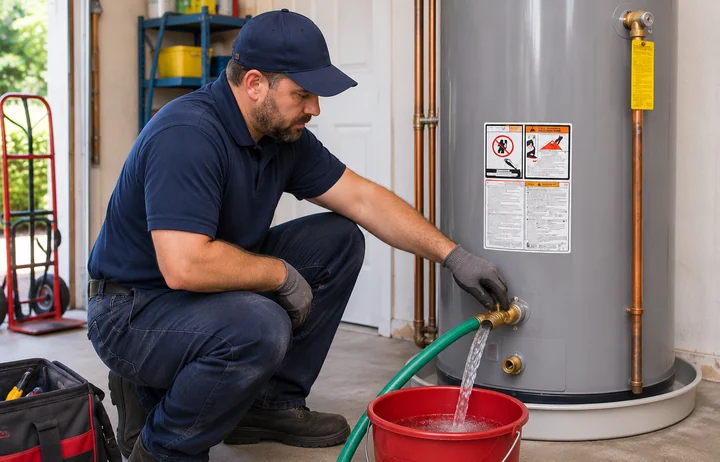
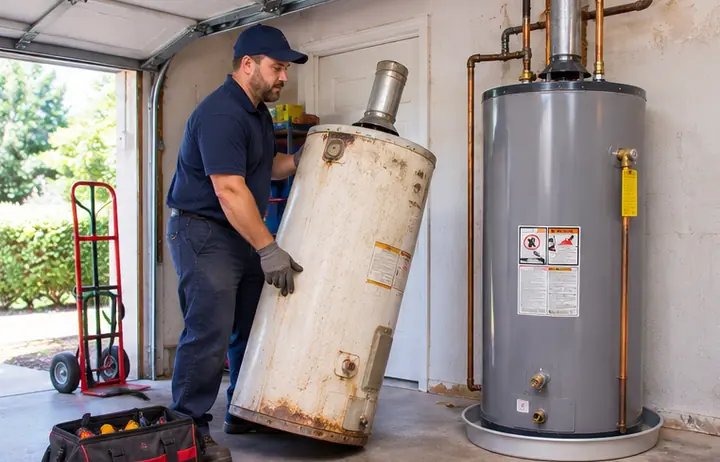
Illustrative service image, not a completed local customer project.
✓Verify Plumbing License
✓Confirm Insurance Coverage
✓Home & Business Inquiries
✓Street-Address Service Check
Water Heater Repair Services in Resaca, Georgia
Water heater repair in Resaca, GA starts with assessing storage-tank recovery and wintertime hot-water demand without blaming weather alone. note how many fixtures use hot water, the time needed for recovery and whether the same problem happens in warmer weather. A safe diagnosis should connect the symptom to a confirmed cause before anyone purchases parts, changes a thermostat setting or schedules a replacement.
Resaca is a Gordon County town, and ZIP 30735 also covers addresses in parts of Whitfield and Murray counties. Describe the exact property location and whether the heater is failing to heat, leaking or recovering slowly. Equipment and plumbing conditions vary from building to building, so the repair decision should be based on the actual symptoms.
Common Water Heater Problems in Resaca Homes
The distinction matters when hot water runs out after successive showers and returns slowly. Do not turn the thermostat excessively high to compensate for a capacity problem; scalding risk increases with high delivery temperatures. The following common symptoms suggest different checks, not automatic diagnoses.
No Hot Water or Insufficient Hot Water
A storage tank can lose usable hot water during back-to-back showers when recovery cannot match demand. A new, unusually long recovery interval may indicate a failing element, burner or control. Compare household use and the heater’s rated capacity before declaring a component defective.
Leaking Water Heater Tanks or Connections
Moisture around the tank is not explained by cool inlet water alone. A valve, threaded connection, relief discharge or tank wall may be involved. Identify the visible source without removing protective covers; a continuing vessel leak requires prompt assessment.
Rumbling, Popping, or Other Unusual Noises
A popping tank during reheating might contain sediment, but piping expansion can create a similar sound. Record when the noise starts, whether heating time has changed and whether water temperature remains stable.
Inconsistent Water Temperature
A long shower drawing progressively cooler water differs from abrupt temperature swings at one fixture. A low tank reserve or slow recovery affects multiple taps; a defective shower mixer may affect only one location.
Pilot Light or Gas Ignition Problems
A gas tank struggling to reheat must have its burner and exhaust inspected if the appliance shows ignition faults. Low ambient temperature does not justify bypassing flame supervision or vent safety controls.
Electric Water Heater Not Heating
An electric tank with only one working heating stage can heat some water but recover much more slowly. Qualified electrical testing can distinguish element failure, thermostat behavior and circuit issues; do not remove live access panels.
Tankless Water Heater Problems
A tankless water heater produces heat as water passes through, so simultaneous fixtures and inlet temperature determine achievable flow. A colder inlet may lower rated output at a fixed temperature rise; a fault code still requires specific diagnosis.
For Resaca, note how many fixtures use hot water, the time needed for recovery and whether the same problem happens in warmer weather. Do not turn the thermostat excessively high to compensate for a capacity problem; scalding risk increases with high delivery temperatures. A trained inspection can determine whether the problem is in the heater, the plumbing distribution or a single fixture.
Explore the statewide service guides for replacement, installation, gas and electric repairs, tankless systems and maintenance. For a Resaca address, the appropriate service depends on assessing storage-tank recovery and wintertime hot-water demand without blaming weather alone and the findings from qualified on-site assessment.
When the tank remains sound but one heating stage is faulty, a repair may be practical. Replacement is more appropriate when a leaking shell, severe corrosion or verified capacity shortfall makes the existing system unsuitable.
A replacement or new installation in Resaca should match actual peak shower use, recovery needs, available gas or electrical service and safe relief protection. Select equipment based on measured demand rather than guessing from household size.
A tankless repair assessment can compare current flow and temperature rise with the unit’s rated operating chart. Winter inlet conditions can lower available output without indicating a heat-exchanger defect.
Converting a storage system to tankless can reduce the need for stored volume, but peak-flow, gas supply, venting and electrical requirements still need evaluation. Temperature rise at the coldest inlet condition matters.
A gas storage tank’s recovery depends on burner output and safe operation. A professional should check ignition, fuel delivery and venting before attributing slow recovery to outdoor weather alone.
Electric storage heaters may use sequential elements. If one has failed, a home might get an initial hot draw but then wait too long for replacement water to heat; circuit and controls require qualified testing.
Tank flushing and anode inspection may be appropriate when the equipment is sound and the manufacturer supports the procedure. Maintenance cannot restore missing burner capacity or repair a compromised storage shell.
Confirm the data plate and fuel source first. The work involved when hot water runs out after successive showers and returns slowly differs between a storage tank and a demand heater. These equipment distinctions help determine which tests are appropriate.
Traditional Storage Tank Water Heaters
A tank stores a fixed amount of heated water and needs time to reheat incoming cold supply. Recovery is influenced by element or burner rating, thermostat setting and how quickly hot water is drawn.
Tankless Water Heaters
Tankless equipment has a specified temperature rise at each flow rate. More simultaneous demand or colder inlet water can reduce delivery flow even when the heater is working normally.
Gas Water Heaters
Gas storage units can recover quickly when burner operation and ventilation are correct. Ignition, venting and combustion issues require qualified checks rather than thermostat guesses.
Electric Water Heaters
Electric tanks may lose half their expected recovery contribution when a heating stage fails on models using multiple elements. A safe resistance and supply test can establish the cause.
Water Heater Repair or Replacement: Which Makes Sense?
Repair or replacement should follow the actual condition of the equipment, installation safety and assessing storage-tank recovery and wintertime hot-water demand without blaming weather alone. Neither the equipment age nor the mailing ZIP provides the complete answer.
When Repair May Be Worth Discussing
A serviceable thermostat, heating element or burner component might be repaired if the tank and supply connections are sound. A documented recovery test helps determine whether the appliance is malfunctioning or simply being asked for more hot water than it can supply.
When Replacement Deserves a Look
Replacement planning is sensible if a tank leaks, the repair is disproportionately costly, or documented demand consistently exceeds reasonable capacity. The new heater must be matched to recovery needs and any installed gas or electrical limits.
What Affects Water Heater Repair Costs in Resaca?
A reliable cost discussion for Resaca should describe what needs diagnosis, which components are affected and how safely the equipment can be accessed. Pricing cannot be established from ZIP 30735 or a symptom alone.
Fault and Diagnostic Work
Diagnosing slow recovery may require comparing actual temperature rise, heating cycle duration and fixture use. That is more informative than assuming a tank is too small because a shower ended cool.
Replacement Parts
A thermostat, heating element, burner assembly and full tank have very different material and labor requirements. The correct component depends on measured operation.
Type of Heater
Tankless units, gas tanks and electric storage heaters need different recovery and flow tests. Model ratings are necessary for a fair comparison of expected performance.
Property Access and Scope
Basement, closet or outbuilding access and safe shutoff locations may affect labor. Precise address and equipment placement help clarify a realistic work scope.
Before authorizing work, ask for a description of the verified issue, any required parts, access arrangements and applicable permit needs. Do not turn the thermostat excessively high to compensate for a capacity problem; scalding risk increases with high delivery temperatures. Request details for your specific Resaca worksite rather than assuming every property in the postal area has the same system.
How to Schedule Water Heater Service in Resaca
A Resaca homeowner describing poor recovery should start with the time of day, number of consecutive showers and whether the tank ever returns to its expected temperature. That timeline helps distinguish heavy demand from a change in heater output.
1
Call With Your Location
Share the street address and usual 30735 postal code; the latter includes some Whitfield and Murray County addresses beyond Gordon County. Explain where the unit is located and who can reach its supply shutoff.
2
Explain the Water Heater Issue
Describe the heater size if known, fuel type, approximate recovery interval and whether the issue changes by season. Include any tank noises, dripping, unusual burner behavior or electric supply trips.
3
Confirm Availability and Next Steps
Request a capacity and operating-condition assessment suited to the actual heater. The proposed visit should consider safe access and whether the owner can authorize a short hot-water interruption.
A useful Resaca service conversation compares demand with rated recovery. Avoid compensating for shortages by setting water dangerously hot; ask for a diagnosis based on the actual model and conditions.
Why Choose Water Heater Repair Pros in Resaca, GA?
For the Resaca worksite, compare service professionals on relevant equipment qualifications, safety procedures and a clear explanation of the diagnosis. Verify license and insurance details independently before work begins.
Licensed Plumbing Professionals
Our licensed plumbing professionals perform water heater service within the scope of their qualifications. Choose a professional who can evaluate a heater’s rated recovery and diagnose the relevant gas or electrical components, not merely recommend a bigger tank without measurements.
Insured Service Professionals
Our service professionals are insured for their work. Check insurance and permissions before work in a rental property or shared service area, especially where equipment access or shutoffs affect other residents.
Experienced Water Heater Technicians
An informative diagnosis compares real demand and heating performance over time. A few cold winter mornings do not alone prove equipment failure.
Residential & Commercial Service
In a building with several users, note peak demand and make arrangements for any water or energy shutoff before work starts.
Real Completed Jobs
Our team has completed real water heater service jobs in Georgia. Gas, electric and tankless recovery rates are not interchangeable. An accurate plan begins with the model, fuel source and rated input.
Local Georgia Coverage
Our team serves Resaca and other Georgia communities; availability depends on the physical service address. ZIP 30735 extends outside Resaca and Gordon County. Confirm the street address, jurisdiction, access and actual appointment availability before relying on the postal label.
Water Heater Repair Service Areas in Resaca, GA
Homeowners and business owners seeking water heater repair in Resaca, GA can begin with their actual service address. ZIP 30735 appears in the local listing, and related community pages include Adairsville and Calhoun. Call with the property location and water heater information to confirm service options.
Why does my Resaca tank run out after two showers?
The stored hot-water volume and recovery rate may not meet consecutive demand. A new or severe reduction can also indicate a heating component fault.
Can colder inlet water change water-heater performance?
Yes. More temperature rise is needed to reach the same hot-water setting. The amount depends on the equipment and demand, so weather alone does not confirm a breakdown.
Would turning up the thermostat solve a capacity problem?
Not necessarily. Excessively high temperatures create scalding risk. Capacity and recovery should be evaluated safely rather than relying on a hotter setting.
Can one bad electric element slow recovery?
Yes, on some multi-element storage models. A trained person should safely isolate power before testing the affected stage.
Does Resaca ZIP 30735 reach other counties?
Yes. The standard ZIP is primarily Gordon County but includes portions of Whitfield and Murray counties.
When should a leaking tank be replaced?
A leaking tank shell usually warrants replacement; a fitting or valve leak may be repairable after the source is confirmed.
What should I report before a Resaca repair visit?
Provide the address, heater fuel and capacity, how many fixtures were used, recovery time, and any noises, leaks or fault codes.
Need Water Heater Repair in Resaca, GA?
Need water heater repair in Resaca, GA? If hot water runs out after successive showers and returns slowly, explain what changed and what you observed without putting yourself at risk. Call (833) 423-3192 with the physical worksite address, heater type and access details to discuss possible next steps. Do not turn the thermostat excessively high to compensate for a capacity problem; scalding risk increases with high delivery temperatures.
 01